
What Does Acne Placement Actually Mean? A Holistic Esthetician Explains
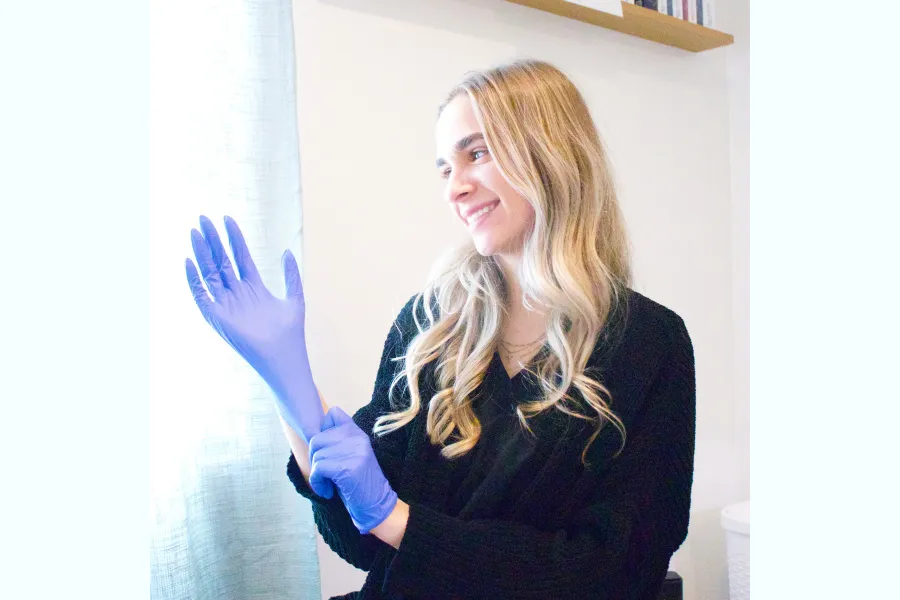
Meet Kenzie: The Esthetician Who Healed Her Own Skin First
You've probably tried more skincare products than you can count. A new serum here. A viral cleanser there. A 10-step routine you saw on Instagram that promised glowing skin in two weeks.
And you're still not happy with what you see in the mirror.
Maybe you've dealt with acne for years and feel like you've tried everything. Maybe your skin is dry, reactive, or just dull, no matter what you put on it. Maybe you've spent hundreds of dollars on products that made big promises and delivered nothing. Or maybe you've been too embarrassed to ask for help because you feel like clear skin should be something you can figure out on your own.
Here's what I want you to know before anything else. I've been exactly where you are.
My name is Kenzie Schumacher, and I'm the licensed esthetician here at Everyday Wellness Wichita. Before I ever helped a single client, I spent years struggling with my own skin. Everything I know, I learned the hard way first. And that's exactly why I can help you.
Key Takeaways
The placement of acne on your face can tell a story about what's happening inside your body.
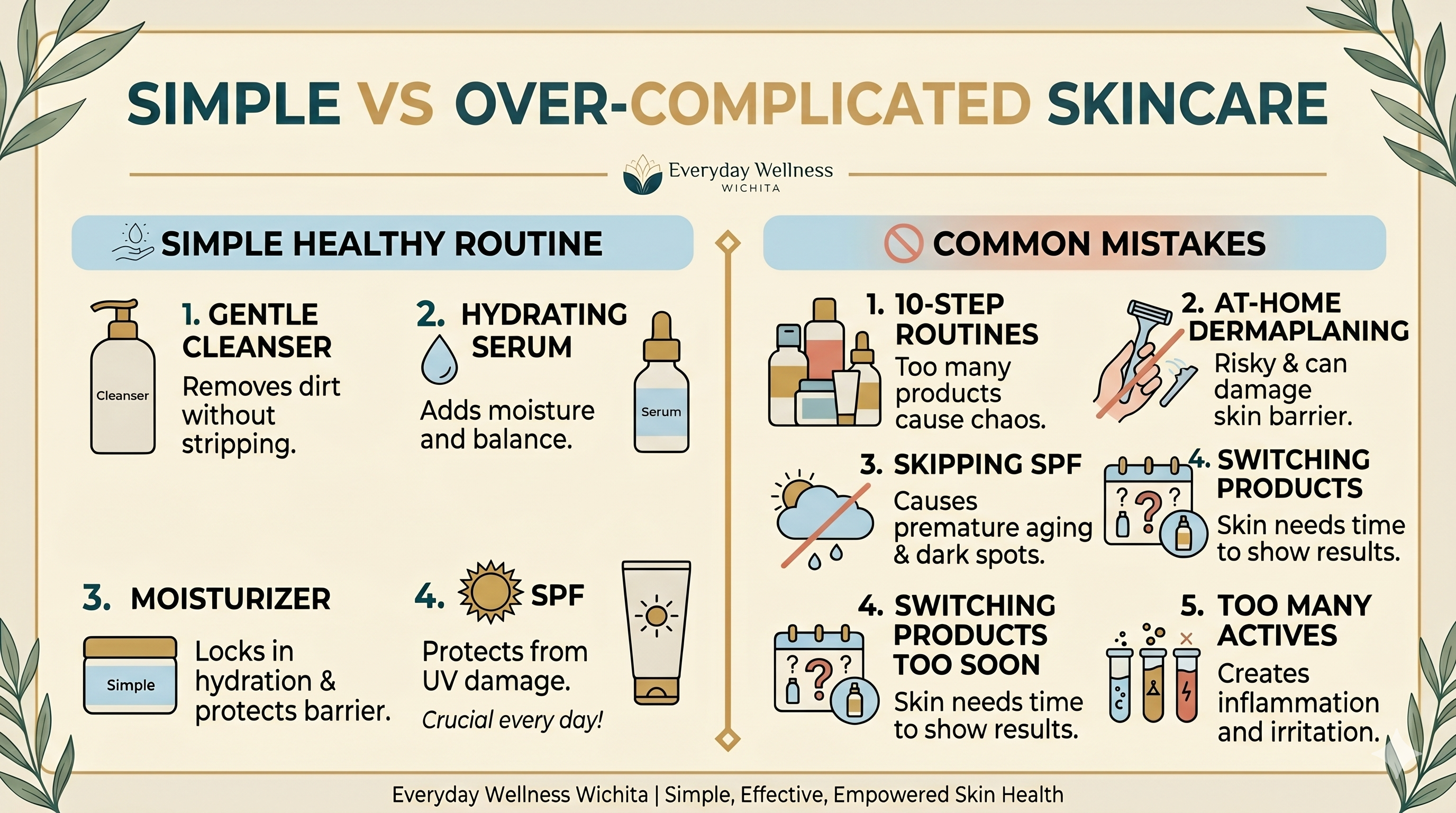
Most skincare routines fail because of too many products, not too few.
Skin barrier damage is more common than most people realize, and it's often caused by the products meant to help.
Holistic skincare treats the root cause, not just the surface.
A simple, consistent, personalized routine outperforms any 10-step trend every time.
The Skin Struggle Nobody Talks About Honestly
I started breaking out in sixth grade. At that age, acne isn't just a skin problem. It becomes your whole identity. You walk into school already calculating whether people are looking at your face. You spend more time thinking about how to cover it up than anything else going on in your life.
I did everything my dermatologist told me to do. In eighth grade, I went on birth control to try to regulate my hormones and calm the breakouts. When that didn't give me the results I needed, I went on Accutane. If you've been through that, you know. It stops your oil production almost completely. It works for some people, but for me, the internal effects were harsh. My body didn't respond well to it, and I was left feeling worse in ways I hadn't expected.
I was doing everything right by conventional standards, and I still wasn't getting better. That's when I started asking a different question.
Instead of asking what product or medication would fix my skin, I started asking why my skin was doing this in the first place.
What Your Skin Is Actually Trying to Tell You
This is the shift that changed everything for me, and it's the same shift I try to help every client make.
Your skin is not the problem. Your skin is the message.
As we talked about in last week’s post, healthy skin starts on the inside, and acne is often one of the clearest ways your body communicates that something deeper may need attention.
When your body is dealing with internal stress, whether that's hormonal shifts, inflammation, poor gut health, environmental triggers, or just the chronic pressure of daily life, it shows up on your face. Your skin is your largest organ, and it reflects what's happening beneath the surface.
One of the most useful things I learned during my own research was acne mapping. The location of your breakouts can give you clues about what may be contributing to the problem.
Breakouts on your forehead are often connected to stress and environmental factors. If you're constantly breaking out on your forehead, it's worth looking at your stress levels, sleep quality, and the products you're using on your hair.
Breakouts along your chin and jawline are often hormonal. This may be your body signaling that something is off internally, whether that's a menstrual cycle shift, thyroid concerns, or hormone imbalance. No amount of topical product will fully fix hormonal acne if you don't address what's driving it underneath.
Cheek acne can be connected to everything from bacteria on your phone screen to air quality to digestive health.
Understanding this changed the way I approached my own skin. Instead of just treating the surface, I started working on healing from the inside out. Better nutrition. More water. Managing my stress. Building a simple, consistent skincare routine that supported my skin instead of overwhelming it.
When I did that, my skin cleared. And with it, my confidence came back in a way no product had ever given me.
Why Most Skincare Routines Are Making Things Worse
Here's something I see constantly with new clients. They're doing too much.
Social media has convinced a lot of people that a 10-step morning routine and a different 10-step night routine are the path to great skin. Trends go viral overnight. A new ingredient becomes the miracle solution. Everyone rushes out to buy it.
The problem is that most of those trends are either ineffective or damaging, or both.
At-home dermaplaning is a perfect example. It's everywhere on social media, and it looks satisfying. But what it's actually doing is creating micro-cuts in your skin. Done at home without proper training, it can damage your skin barrier and cause more problems than it solves.
Over-exfoliating is another one. Exfoliating is genuinely good for your skin when done correctly. It removes dead skin cells, brightens your complexion, and helps your other products absorb better. But more is not better. Starting at three times a week after double cleansing may be appropriate for some people, but your skin has to work up to it. Going beyond what your skin can tolerate, or using products that are too harsh, strips away the protective outer layer of your skin.
And then there's the product-switching cycle. I hear this constantly. "I've tried everything and nothing works." When I dig into what that looks like, I usually find someone who has tried dozens of products, but never given any of them enough time to actually work. Most active ingredients need at least four to six weeks to show visible results. If you switch every two to three weeks, you're not giving your skin a fair chance.
Skincare is also not cheap. The more products you're cycling through, the more money you're spending with nothing to show for it.
The Real Damage You Might Not Know You Have
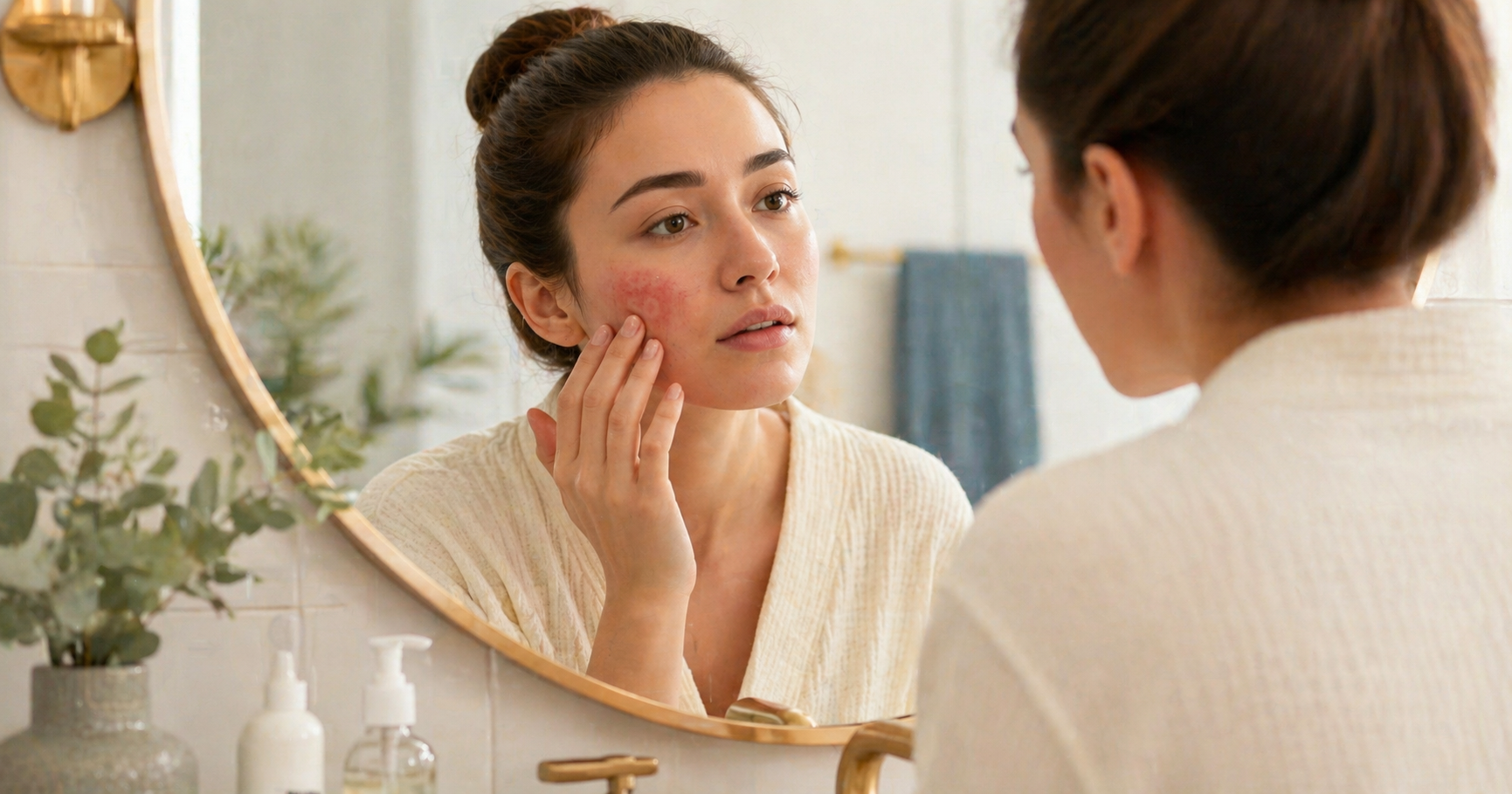
There's something I talk about with almost every new client, and most of them have never heard of it before. Skin barrier damage.
Your skin barrier is the outermost layer of your epidermis. Its job is to keep moisture in and keep harmful things out. When it's healthy, your skin looks hydrated, calm, and resilient. When it's compromised, you get inflammation, redness, flakiness, and sensitivity.
Here's the sign most people miss. If a product burns or stings when you apply it, your skin barrier is telling you to stop. That's not a sign the product is working. That's a warning.
Skin barrier damage is incredibly common, and it's often caused by the very things people are doing to try to help their skin. Over-exfoliating. Using too many active ingredients at once. Following social media trends without understanding the ingredients involved. Skipping SPF.
Sunscreen is non-negotiable. I know some people think it's optional, or they don't see the connection between daily SPF and skin health. But UV exposure is one of the leading causes of premature aging, uneven skin tone, and chronic skin inflammation. Skipping it every day is a slow form of damage that adds up over time.
If your skin is chronically reactive, dull, or sensitive to products it used to tolerate, there's a good chance your barrier is compromised. The good news is that it's repairable. But it requires a reset, not more products.
After exfoliation, the next step is hydration. Hyaluronic acid and niacinamide are two of my go-to ingredients because they are hydrating and calming for many skin types. They help restore what exfoliation removes and keep your skin barrier functioning well. Finishing with a good moisturizer seals everything in and keeps your skin looking healthy and calm.
Why I Chose a Different Path
After years of research and finally healing my own skin, I decided to go to esthetician school. It wasn't a career pivot I had always planned. It came from a place of deep frustration and eventually deep passion.
I was tired of being bullied for my skin. I was tired of feeling like I had to hide. And once I figured out how to heal myself, I couldn't stop thinking about how many other people were going through the same thing without anyone to guide them.
Esthetician school gave me the clinical knowledge to back up everything I had been learning on my own. I fell in love with the science of skin, the connection between internal health and external appearance, and the ability to give clients something real. Results they could see and feel.
What I knew from day one was that I didn't want to work in a high-volume spa environment where clients cycle through quickly and get the same service every time. I wanted to build actual relationships. I wanted to work with clients who were coming in because they genuinely wanted results, not because they had a gift card to use up.
That's exactly why joining Jen at Everyday Wellness felt right.
Why Everyday Wellness Is Different
When my aunt introduced me to Jen Gaudet, I immediately recognized something. We shared the same philosophy.
Jen built her entire practice around treating the root cause, not just the symptoms. She doesn't rush patients through appointments. She doesn't prescribe a generic solution and send people on their way. She listens, she investigates, and she builds a personalized plan. That's exactly how I approach skin.
That same inside-out philosophy is why our esthetic services are designed to support your skin with personalized, corrective care instead of one-size-fits-all treatments.
At Everyday Wellness, we're not a day spa. We're not going to sell you products you don't need or upsell you into services that aren't right for your skin. We want to build a real relationship with you, understand what your skin is dealing with, and create a plan that actually works for you specifically.
If you've never had a professional facial before, or if you've had them elsewhere and felt like just another appointment on someone's schedule, I want to tell you what it's actually like here.
When you come in for your first facial, we start with a consultation. I want to understand your skin history, what you're currently using, what's been working, what hasn't, and what your goals are. From there, I customize everything.
We double cleanse to start, which is exactly what it sounds like. Two rounds of cleansing to make sure we're starting with a completely clean canvas. Then we exfoliate with steam to lift dead skin cells and open the pores. I select a mask specifically for your skin type and concerns, whether that's a hydrating mask or an oil-cleansing mask. During that time, you'll be under red light therapy for 15 minutes while I give you a hand, arm, and neck massage. Then we apply serums I've chosen for your skin specifically, and we finish with moisturizer and SPF.
You'll leave relaxed and with visibly hydrated, glowing skin. But more importantly, you'll leave with a clear picture of what your skin needs and a plan for how to get there.
The Philosophy That Drives Everything I Do
I've been through the embarrassment of struggling with skin. I know what it feels like to walk into a room convinced everyone is looking at your face. I know how much energy goes into trying to hide something you can't hide, and how exhausted that leaves you.
When my skin healed, something else healed too. I stopped scanning every conversation for signs that someone was looking at my acne. I stopped spending every morning layering on makeup just to feel like I could face the day. I became more present, more open, and more confident in a way that had nothing to do with vanity and everything to do with feeling comfortable in my own skin.
That's what I want for every person who sits down in my treatment room.
You don't have to have perfect skin to feel good about your skin. But you do deserve to have a clear plan, a trusted guide, and a place where you feel seen and not judged. I've been on the other side of that treatment table. I would never look at a client's skin with anything other than compassion and a genuine desire to help.
Whether your skin is breaking out, struggling with sensitivity, showing signs of aging, or just never looking the way you want it to look, there is a path forward. It starts with understanding what your skin is trying to tell you and building a plan that treats the root cause instead of just chasing symptoms.
Frequently Asked Questions
What does acne mapping actually mean?
It means the location of your breakouts may point to different contributing factors. Forehead acne can be linked to stress or environmental triggers. Chin and jawline acne are often hormonal. Cheek acne can relate to bacteria, air quality, or digestion. It is not a perfect science, but it is a helpful way to start asking better questions about what your skin is trying to communicate.
How do I know if my skin barrier is damaged?
One of the biggest signs is burning or stinging when you apply products. You may also notice redness, flaking, dryness, irritation, or skin that suddenly reacts to products it used to tolerate. That usually means your skin needs a reset, not more active ingredients.
Do I need a long skincare routine to get results?
No. In most cases, a simple, consistent, personalized routine works better than constantly switching products or chasing every new trend online. More products do not always mean better skin.
What happens at my first facial with Kenzie?
Your first visit starts with a consultation so Kenzie can understand your skin history, current routine, concerns, and goals. From there, she customizes the treatment for your skin. That usually includes double cleansing, steam-based exfoliation, a personalized mask, red light therapy, massage, targeted serums, moisturizer, and SPF.
Can a facial help with hormonal acne, or do I need to address that internally too?
Both. Kenzie can support your skin externally with targeted treatments, but hormonal acne often needs to be addressed from the inside too. That's one of the advantages of being at Everyday Wellness. Jen and Kenzie work together, so you can tackle both sides at once. If your breakouts are consistently along your chin and jawline, that's worth bringing up at your first appointment.
Do I need to stop using my current products before my first facial?
Not necessarily. Kenzie will review everything you're currently using during your consultation and let you know if anything needs to be paused. Come as you are. The consultation is where the plan starts.
Ready to See What Your Skin Can Do?
If you're ready to stop guessing and start getting real results, I'd love to meet you.
Book your first facial with me at Everyday Wellness Wichita, and we'll start with a full consultation so I can understand exactly what your skin needs. No judgment. No generic routine. Just a personalized plan built around you.
Book your appointment with Kenzie: https://everydaywellnesswichita.com/esthetic-services
Call us: (316) 391-3465
Everyday Wellness Wichita
5112 E Central Ave, Wichita, KS 67208
Services: Esthetics, Hair Restoration, Bio-Identical Hormone Replacement Therapy, Medical Weight Loss, and Allergy Management